
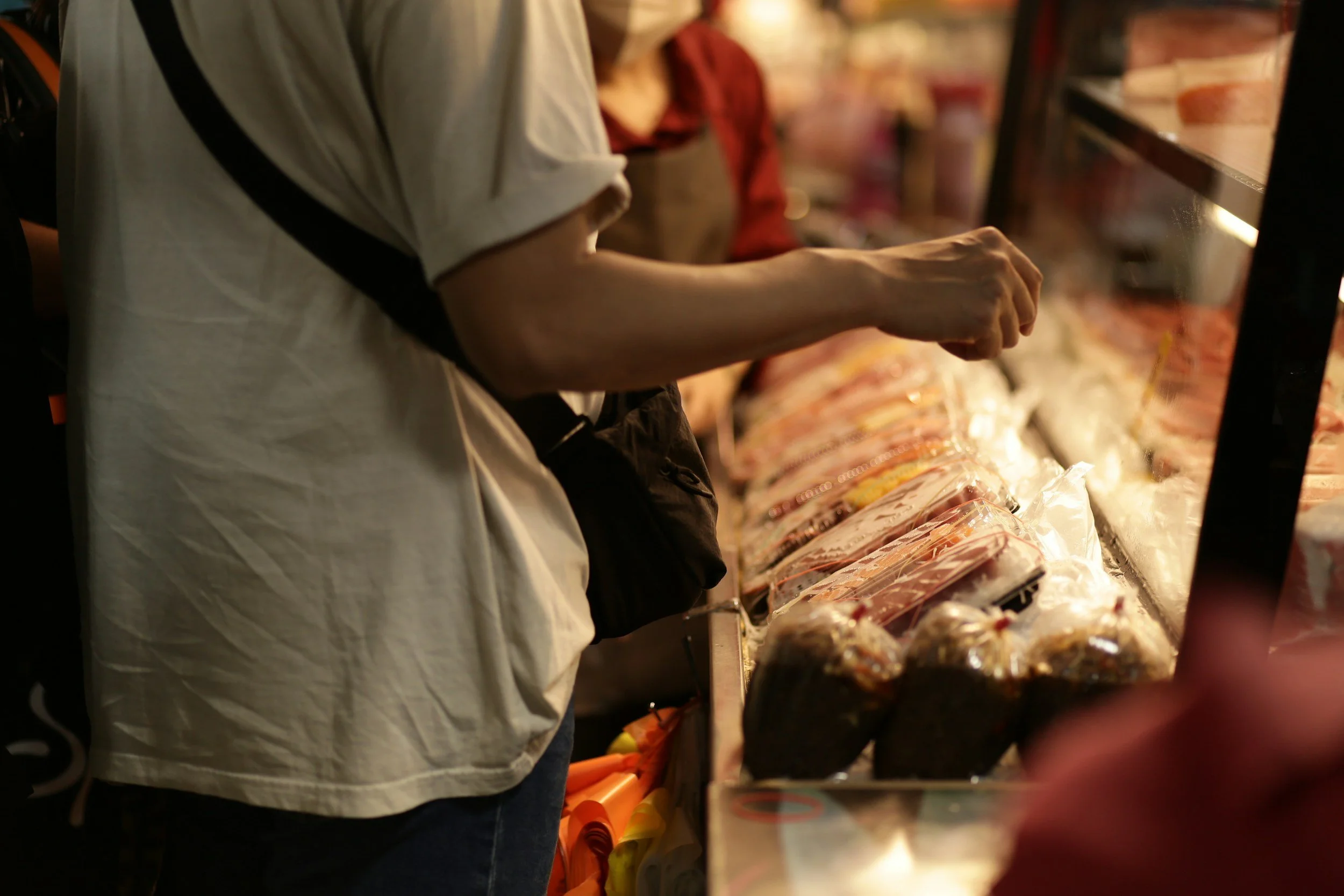
When you pick up a package of meat at the grocery store, you might assume the label tells you where that meat came from. But when it comes to beef, the answer is more complicated than you might think.
What is COOL?
Country of Origin Labeling (COOL) is a federal labeling program designed to give consumers information about where certain foods come from. Its purpose is to provide consumers with information about the country of origin of certain foods sold at retail.
Today, COOL applies to specific commodities:
Lamb, chicken, and goat meat
Wild-caught and farm-raised fish and shellfish
Fresh and frozen fruits and vegetables
Peanuts, pecans, macadamia nuts, and ginseng
However, beef and pork are not currently included in the mandatory COOL program.
How Did COOL Apply to Beef Historically?
When beef was covered by COOL, the system took a more detailed approach than simply identifying where the final package of meat came from. The focus was on the animal's production history.
Under the regulations, a production step for beef included where the animal was born, raised, or slaughtered. For an animal that met the U.S. country-of-origin definition, the label identified all three steps: Born, Raised, and Slaughtered in the United States.
If the animal's history involved more than one country, the label could identify the individual production steps. For example, an animal born and raised in another country but slaughtered in the United States could have its origin information presented by identifying those separate steps.
The question wasn't simply, "Where was this package of beef processed?" It was, "Where did this animal's production history take place?"
This distinction gave consumers a way to understand more of the journey from animal to food. It also illustrates why terms such as origin, processing, slaughter, and packaging should not automatically be treated as meaning the same thing.
What Happened to Beef COOL?
In 2015, Congress removed beef and pork from the mandatory COOL requirements. USDA implemented that change in 2016, removing both muscle cuts and ground beef as well as pork from the mandatory program.
The result was a significant change in how consumers encounter country-of-origin information on beef at retail.
What Does This Mean When You Buy Beef?
Without the former framework, consumers cannot assume that every package of beef will provide the same type of information about where the animal was born, raised, and slaughtered.
That doesn’t necessarily mean the information is unavailable. It means consumers need to understand what type of information a particular label is actually communicating.
This is also why country-of-origin questions can become confusing when different labeling terms are discussed together. A consumer may see information about a product's origin, processing, or location and reasonably assume those statements answer the same question—when they may not.
The takeaway is that not every statement about where food comes from is a COOL statement. Different labels can be governed by different rules, which is why understanding the terminology matters.
The Conversation Continues
The Congressional Research Service reported in 2025 that legislation had been introduced in recent Congresses seeking to restore mandatory COOL requirements for beef.
For consumers, this keeps an important question on the table—How much information should a beef label provide about the animal's journey from production to the grocery store?
For anyone interested in knowing more about where their food comes from, the lesson is simple: Read the label—but understand what the label is actually telling you. Country-of-origin information is one piece of the larger story behind your food, and understanding the terminology can help you ask better questions about the beef you buy.
-
https://www.ams.usda.gov/rules-regulations/cool
U.S. Department of Agriculture, Food Safety and Inspection Service. “Voluntary Labeling of FSIS-Regulated Products With U.S.-Origin Claims.” Federal Register, Vol. 89, No. 53, March 18, 2024.
https://www.ams.usda.gov/sites/default/files/media/FAQs%20-%20COOL%20Beef%20Pork%20Repeal.pdf