
Decoding The USDA Organic Label
The USDA Organic label tells you how a product was produced, but it doesn’t automatically mean it’s healthier, safer, or better. Understanding what the label requires can help you make informed decisions about the beef you buy. In this article, we break down the standards behind organic beef and what the label does, and does not tell you.
Organic is defined by the USDA as “a label that indicates that a food or agricultural product has been produced according to the USDA organic standards, which require operations to use practices that cycle resources, conserve biodiversity, and preserve ecological balance.”
The USDA’s National Organic Program (NOP) is responsible for establishing and enforcing these rules for organic crops, livestock, and other agricultural products. To become certified organic, operations must go through a rigorous process to confirm compliance with standards and are subject to regular inspections and testing.
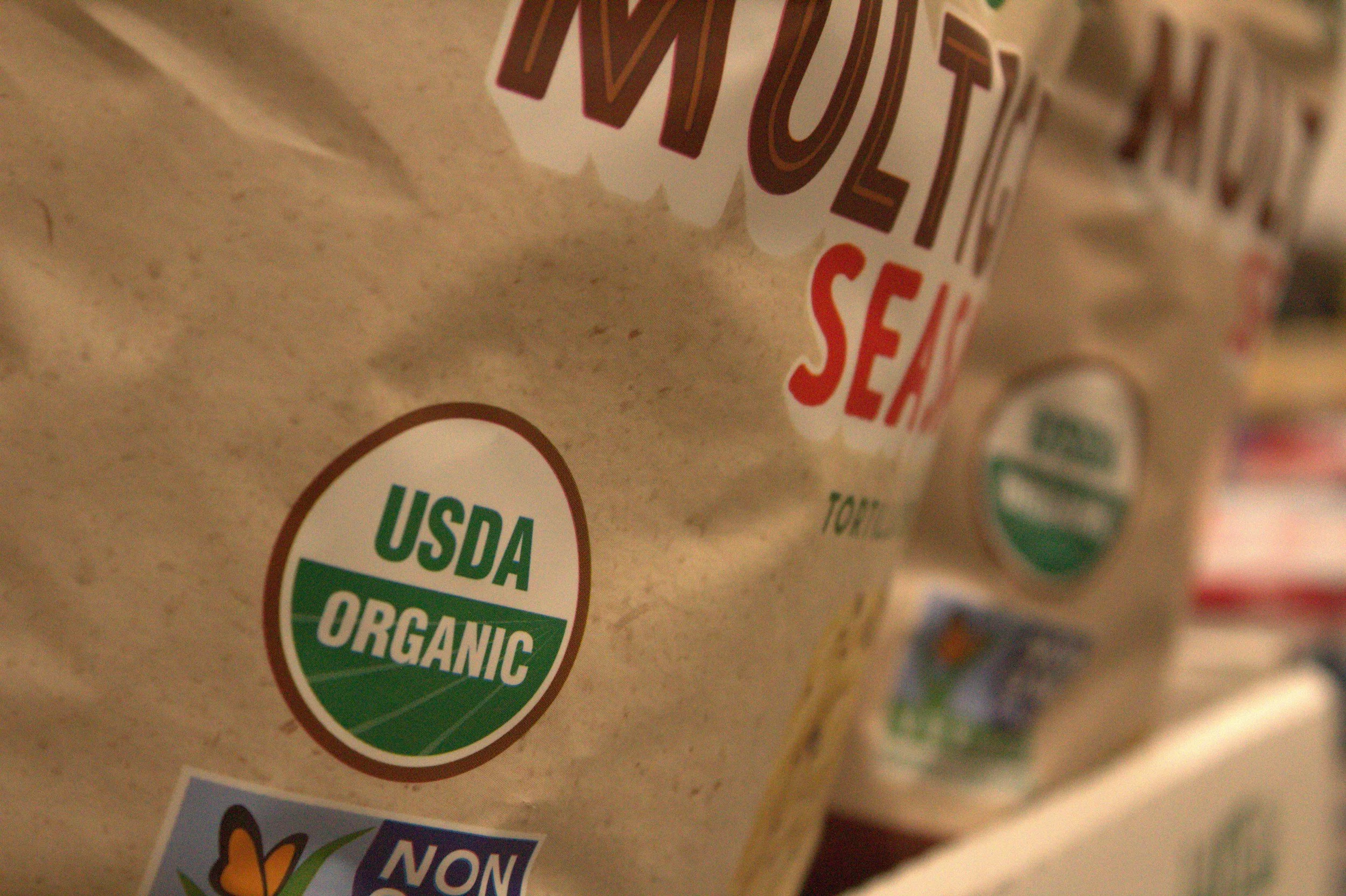
The USDA Organic label is the only government-backed marketing claim for organic food sold in the United States—meaning only foods produced according to USDA standards can display the label.
To fully understand the organic label, we first need to look at the different categories that establish how organic content is classified.
100% Organic: Contain only ingredients that are certified organic, including any processing aids.
Organic: Must contain no less than 95% of certified organic ingredients (excluding salt and water). The remaining 5% of ingredients must be organically produced, unless commercially unavailable or allowed on the National list.
Made with Organic: Contain at least 70% certified organic ingredients (excluding salt and water). Any remaining agricultural products are not required to be organically produced but must be produced without excluded methods—for example, genetic engineering.
While these categories explain how organic content is classified, organic beef is about more than what is in the package. The label also reflects how the cattle were raised, fed, and managed.
So, what does organic actually require when it comes to beef production?
Organic beef is defined by the production system used to raise cattle. The USDA organic regulations establish requirements for the animal’s origin, feed, health care, pasture, and living conditions. These requirements apply from before birth through production and handling.
Organic cattle must be raised under organic management:Cattle intended for organic slaughter must generally be under continuous organic management from the last third of gestation. In other words, organic certification is not something a producer can add only when an animal is ready for market.
Organic cattle must eat certified organic feed:Organic livestock must receive 100% certified organic agricultural feed, along with certain allowed vitamins and minerals. The USDA defines 100% certified organic feed as a grain or forage resource that has not had synthetic fertilizers, sewage sludge, irradiation, or genetically engineered GMOs for at least three years prior to harvest.
Organic cattle must have access to pasture: Organic ruminants must be on pasture throughout the grazing season, which must last at least 120 days. They must also receive, on average, at least 30% of their dry matter intake from pasture during that season.
That does not mean organic cattle must only eat grass. Organic cattle can also eat certified organic hay, grain, and other agricultural products. So yes—organic beef can also be grain-finished.
Organic cattle must be managed for their health:Organic producers must use preventive management practices to keep animals healthy. Antibiotics and hormones used to promote growth are prohibited, but producers may not withhold appropriate treatment from sick or injured animals. If an animal receives a prohibited treatment, it must still receive the care it needs, but it and its products may no longer be sold as organic.
Organic cattle must have access to the outdoors: Organic livestock must have year-round access to the outdoors, with temporary confinement permitted only for documented environmental or health considerations. The regulations also address access to shade, shelter, exercise areas, fresh air, and direct sunlight.
What the label does (& does not) tell you
We’ve covered that this label can tell you a great deal about how a product was produced. It does not, however, tell you everything about the food itself. The distinction is important because the word “organic” is associated with claims of being healthier, safer, more environmentally friendly, or better for animal welfare.
But these are separate questions. And the label does not automatically answer all of them.
Does Organic Mean Healthier or Safer?
One of the most common assumptions is that organic food is automatically more nutritious. But evidence does not establish that organic food consistently contains more nutrients than conventionally produced food. Nutrient levels depend on factors such as the variety of the food, soil quality, harvest timing, and storage. Organic ingredients can still be used in processed foods that are high in calories, sodium, or added sugar, yet still carry the label.
This does not mean organic food has no protentional health-related benefits. Organic production generally reduces exposure to certain synthetic pesticides, and research has found lower pesticide residues and metabolites among people who consume organic foods. However, a 2020 systematic review found there is still insufficient evidence to conclude that these differences consistently lead to long-term health benefits. Healthier lifestyles among people who choose organic foods also make those results difficult to separate from the effects of organic food itself.
The same distinction applies to food safety. Organic and conventional foods must meet the same food safety standards in the United States. Organic beef cannot be produced using antibiotics or growth-promoting hormones, but that does not mean it is automatically safer to eat. Both organic and conventional foods can become contaminated with pathogens such as E. coli or Salmonella. Food safety also depends on handling, storage, cooking, and preparation.
Is Organic Better for the Environment?
Organic production can provide environmental benefits by restricting most synthetic pesticides and fertilizers and encouraging practices such as crop rotation, compost, manure, and natural pest control. These methods can support soil health, biodiversity, and ecosystem function. However, organic farming is not automatically better for the environment in every situation. Organic systems may require more labor, land, and resources to produce the same amount of food, especially when yields are lower. The environmental impact of agriculture depends on factors such as soil, climate, water use, land management, transportation, and production efficiency—not simply whether a product carries an organic label.
Does Organic Mean Better Animal Welfare?
We’ve covered the organic standards and requirements related to animal care. While these standards establish certain animal-care requirements, the label does not prove that every organic animal experienced better welfare than every conventionally raised animal. Welfare also depends on nutrition, health care, handling, housing, stress, and the quality of care provided throughout the animal’s life.
Why Does Organic Beef Cost More?
Organic beef generally costs more because producers may face higher expenses for feed, land, certification, inspections, recordkeeping, and compliance with USDA standards. Organic production can also require more labor and management, including pasture care and natural methods of pest control. In some cases, lower yields and the need for more land can increase production costs.
That does not mean every organic product is overpriced or that the producer is making more money. It means the price reflects more than the cost of the beef itself. Certification, management requirements, labor, and other production costs can all contribute to the final price.
The Goal of Understanding
The USDA Organic label provides a defined set of standards to consider. When comparing beef, look beyond the marketing claims and consider how the animal was raised, what practices the producer follows, and evaluate what factors matter to you.
The goal is not to tell you which one to choose, but to help you understand the differences so you can make a decision that is right for you. No matter your preference; producers are the reason we get one at all.
-
https://www.ams.usda.gov/about-ams/programs-offices/national-organic-program
7 CFR Part 205 https://www.ecfr.gov/current/title-7/subtitle-B/chapter-I/subchapter-M/part-205?toc=1
Vigar V, Myers S, Oliver C, Arellano J, Robinson S, Leifert C. A Systematic Review of Organic Versus Conventional Food Consumption: Is There a Measurable Benefit on Human Health? Nutrients. 2019 Dec 18;12(1):7. doi: 10.3390/nu12010007. PMID: 31861431; PMCID: PMC7019963.
https://www.economicshelp.org/blog/153913/economics/organic-farming-pros-and-cons/